







3-Day Manali Itinerary: The Perfect First-Time Travel Plan (2026 Guide)
Planning your first trip to Manali can feel exciting and slightly confusing at the same time. There are mountain views you don’t want to miss, cafés you’ve probably seen all over Instagram, adventure activities in Solang Valley, peaceful temples hidden among deodar forests, and scenic roads that make you want to stop every few minutes for photos.
But if you only have three days, what should you actually prioritize?
This 3-day Manali itinerary is designed specifically for first-time visitors who want to experience the destination without turning their holiday into a race from one attraction to another. It combines Manali’s famous landmarks, mountain adventures, local culture, nature, food, and enough free time to simply enjoy being in the mountains.
Whether you’re planning a family vacation, a romantic getaway, a trip with friends, or even a solo journey, this Manali trip itinerary will help you make the most of your three days.
Why Manali Is an All-Time Favorite Destination
Some hill stations are known for their scenery. Others are popular for adventure or nightlife. Manali manages to offer a little bit of everything.
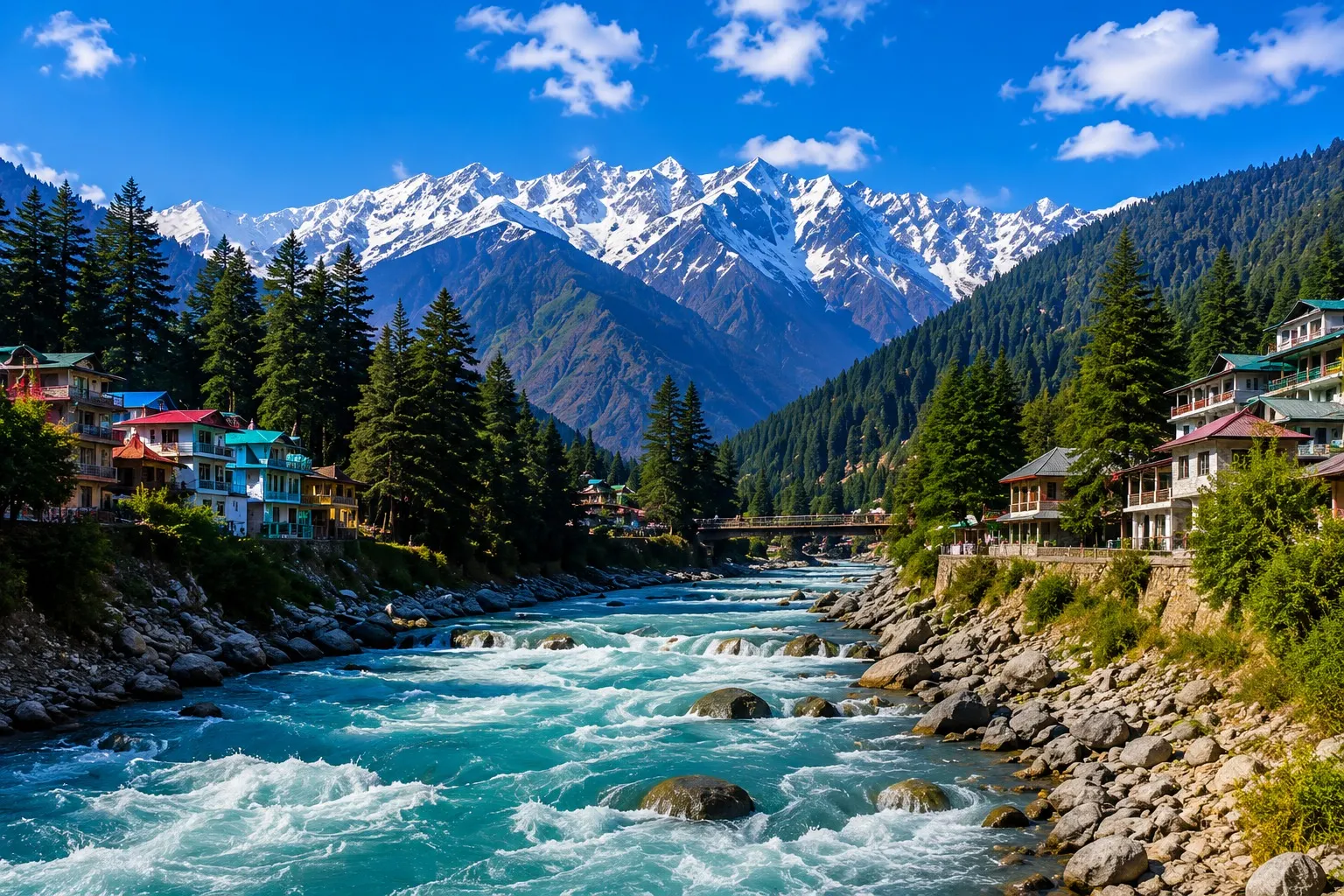
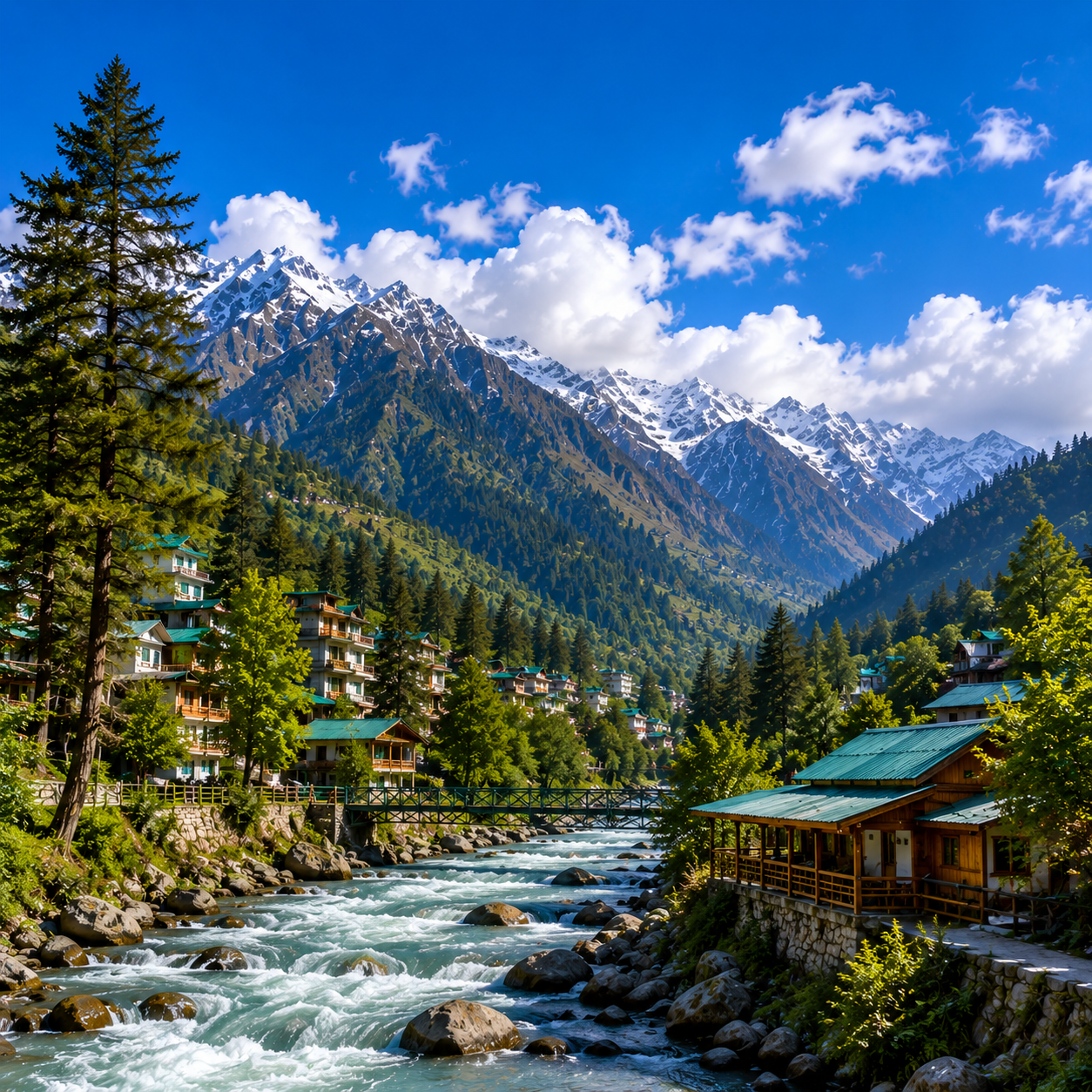
Surrounded by the mountains of Himachal Pradesh and located along the Beas River, Manali attracts travellers throughout the year. In winter, snow-covered landscapes completely transform the valley. Spring brings pleasant weather and greener surroundings, while summer offers a refreshing escape from the heat of the plains.
Then there is the variety.
You can spend your morning paragliding in Solang Valley, your afternoon walking through a cedar forest, and your evening enjoying coffee beside the river in Old Manali. Families can explore temples and nature parks, couples can find scenic viewpoints and cosy cafés, while adventure lovers have plenty of activities to choose from.
That’s exactly why Manali continues to remain one of India’s favourite mountain destinations.
Quick Summary: 3-Day Manali Itinerary at a Glance
| Day | Main Experiences | Suggested Places |
|---|---|---|
| Day 1 | Local sightseeing, heritage and cafés | Hadimba Temple, Old Manali, Manu Temple, Mall Road |
| Day 2 | Mountains, snow and adventure | Solang Valley, Atal Tunnel, Sissu or Rohtang Pass |
| Day 3 | Nature, culture and relaxation | Vashisht, Jogini Waterfall, Naggar or local experiences |
This itinerary deliberately avoids packing too many places into each day. Mountain travel takes time, traffic can be unpredictable during peak season, and some of Manali’s best moments happen when you’re not rushing.
Is 3 Days Enough to Explore Manali?
Yes, three days are enough for a good first experience of Manali, provided you plan your time carefully.
You won’t see every attraction in the region, but a well-planned Manali itinerary for 3 days gives you enough time to explore the main town, visit Old Manali, experience the mountains around Solang Valley, and enjoy some quieter natural or cultural attractions.
For most first-time visitors, three days work particularly well because you can divide your trip into three distinct experiences: local Manali, mountain adventure, and nature or culture.
However, if you want to explore places such as Naggar, Jana Waterfall, Sethan, Sissu, or Rohtang Pass without feeling rushed, four to five days would be even better.
Before You Go: Essential Trip Planning
A little preparation can make a huge difference to your Manali experience, particularly during the busy summer months and winter snow season.
The best way to reach Manali depends on where you’re travelling from. Overnight Volvo buses are commonly available from Delhi and Chandigarh. If you’re travelling by air, Bhuntar Airport near Kullu is the closest airport, although flight availability can be limited.
For accommodation, your choice of area matters. Mall Road and its surroundings are convenient for families and first-time visitors who want easy access to shops and restaurants. Old Manali offers a more laid-back atmosphere with cafés, hostels, guesthouses, and river views. Areas such as Prini and Aleo can be good choices if you prefer slightly quieter surroundings.
Pack according to the season, but always carry an extra warm layer. Mountain weather can change quickly, even when the day starts sunny.
Also remember that access to high-altitude areas such as Rohtang Pass can depend on weather, road conditions, seasonal opening dates, and permit requirements. It’s always better to check current conditions shortly before your trip.
Day 1: Discover the Heart of Manali
Your first day should be about getting comfortable with Manali rather than immediately heading towards distant mountain attractions. Start with the town’s cultural landmarks, explore its forests and old neighbourhoods, and finish your evening at Mall Road.
Morning: Hadimba Devi Temple and Cedar Forest
Begin your day at the famous Hadimba Devi Temple, one of Manali’s most recognisable landmarks. Built amid towering cedar trees, the temple has a distinctive wooden architecture that feels perfectly at home in its forest surroundings.
Even if you’re not particularly interested in religious sites, the peaceful forest setting makes the visit worthwhile. Arriving early is recommended, especially during weekends and peak tourist seasons.
After visiting the temple, spend some time walking through the surrounding cedar forest instead of immediately moving to the next attraction.
Late Morning: Explore Old Manali
From Hadimba Temple, continue towards Old Manali.
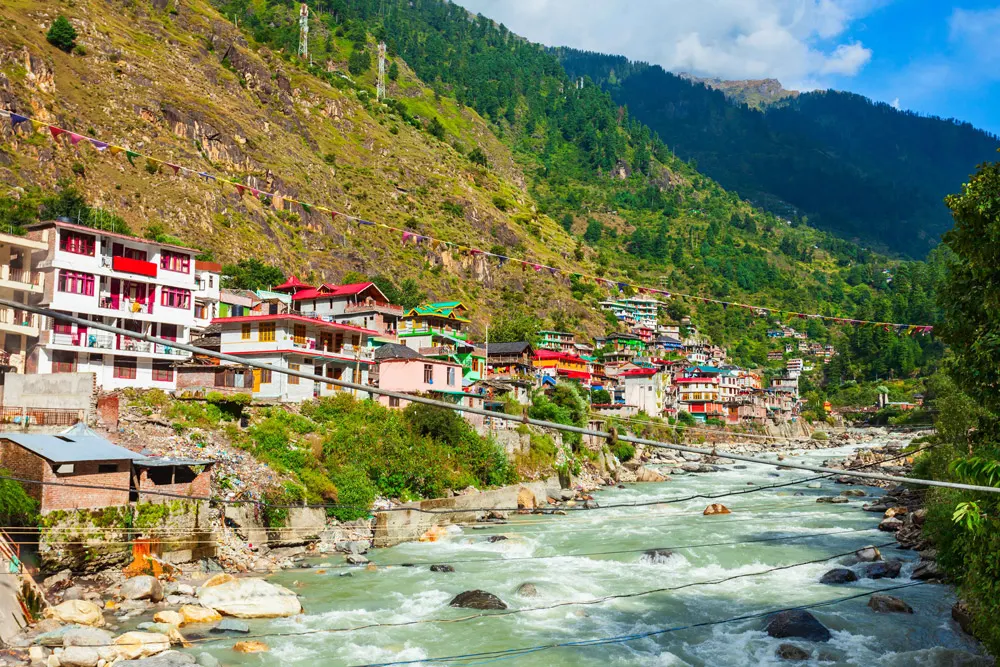
This part of town has a completely different personality from the busy central market. Narrow lanes, traditional houses, apple trees, small shops, backpacker hostels, riverside corners and cafés give Old Manali its relaxed charm.
Don’t try to follow a strict sightseeing checklist here. Walk around, browse local shops, cross the bridge and find a café where you’d actually like to spend some time.

Afternoon: Manu Temple and Café Lunch
If you’re comfortable walking uphill, visit Manu Temple, located in Old Manali. The route itself offers a chance to experience the quieter residential side of the area.
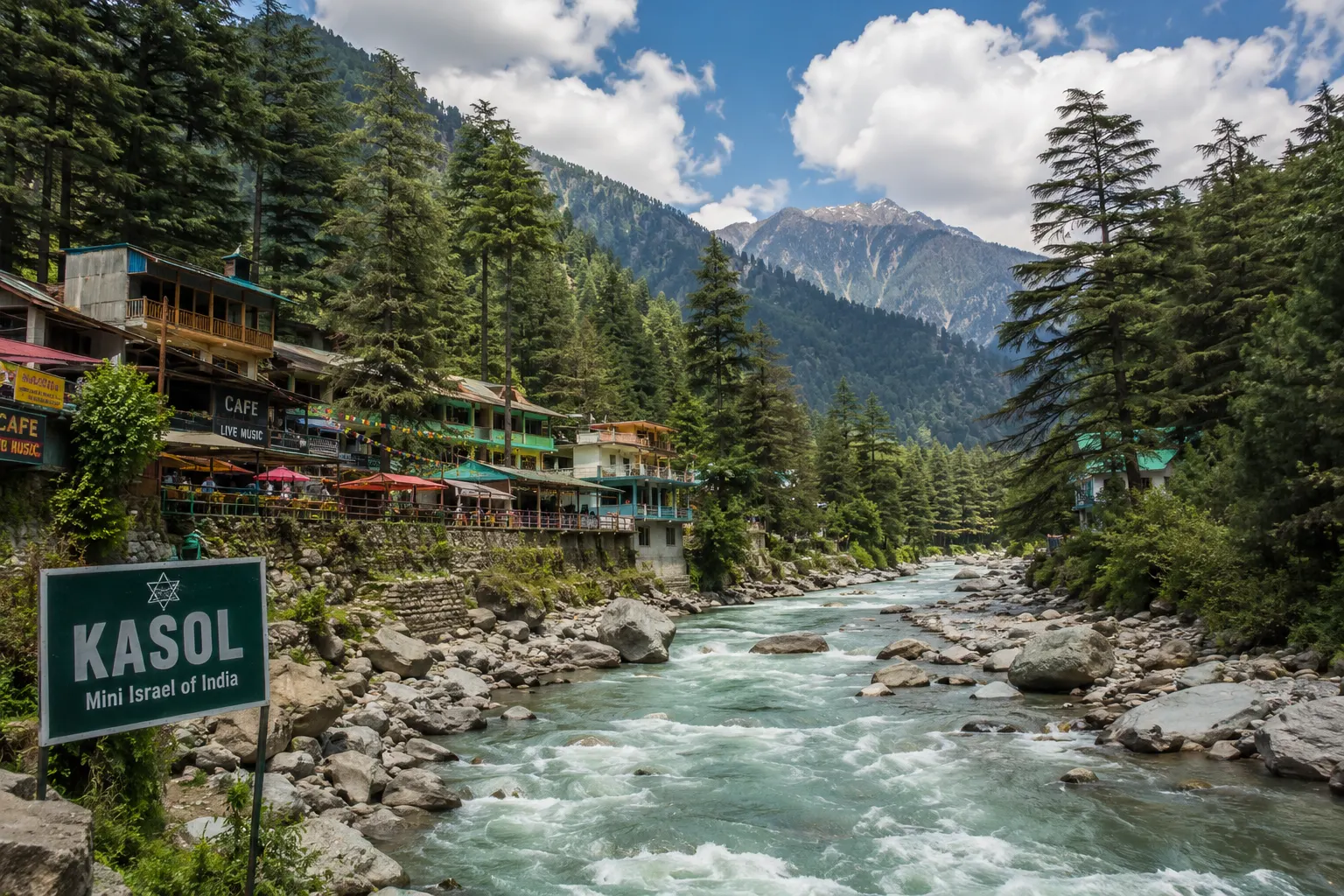
Afterwards, stop for lunch at one of Old Manali’s cafés. You’ll find everything from Himachali dishes and Indian food to pizza, pasta, Israeli cuisine and freshly brewed coffee.
The slower pace is part of the experience, so allow yourself enough time for lunch.
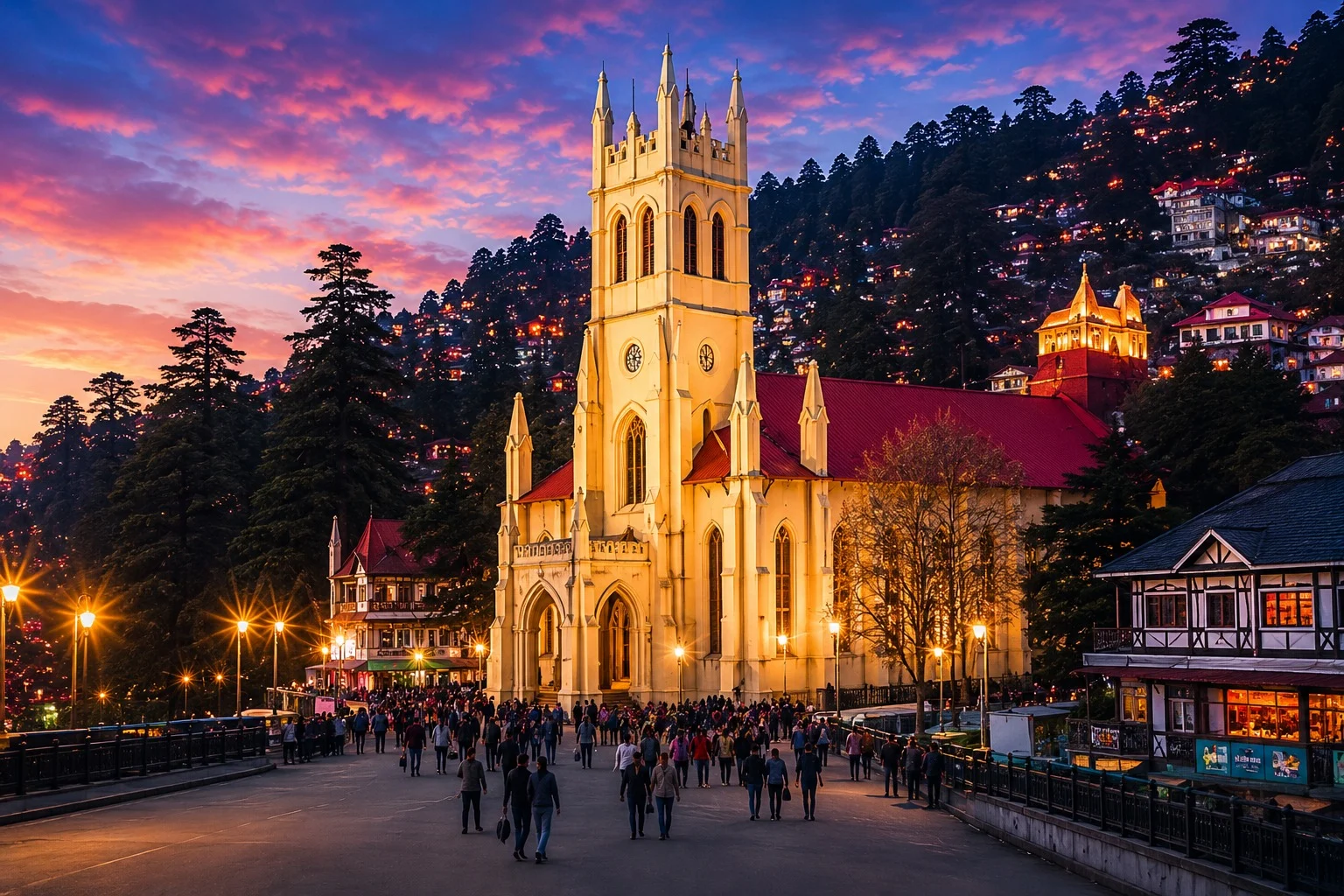
Evening: Mall Road
Head towards Mall Road in the evening, when the area becomes livelier.
This is the place for shopping, casual street food and an evening stroll. Look for woollen products, handicrafts, local souvenirs and Himachali items, but compare prices before buying.
Finish your first day with dinner around Mall Road or return to Old Manali if you prefer a quieter café atmosphere.
Day 2: Experience Manali’s Best Adventure and Mountain Views
Day two is the highlight of most Manali trips. This is when you leave the main town behind and head towards dramatic mountain landscapes.
The exact route should depend on the season, road conditions and your interests.
Morning: Solang Valley
Start early and drive towards Solang Valley, located around 13 kilometres from Manali.
The valley is known for adventure activities and mountain views. Depending on the season and weather conditions, activities may include paragliding, ziplining, skiing, snow activities and ropeway rides.
Even if you don’t participate in adventure sports, the scenery alone makes Solang Valley worth visiting.
Try to arrive early because traffic can become heavy during peak tourist months.
Option 1: Atal Tunnel and Sissu
After Solang Valley, you can continue towards Atal Tunnel and cross into the Lahaul Valley.
The change in landscape is immediately noticeable. Sissu, located on the other side of the tunnel, has become a popular excursion from Manali because of its dramatic mountain scenery and waterfall views.
This option is particularly good for travellers who want a scenic road trip and a completely different landscape from Manali.
Option 2: Rohtang Pass
If Rohtang Pass is open and permits are available, you may choose it instead.
Rohtang offers spectacular high-altitude landscapes and, depending on the season, opportunities to see snow. However, it requires more planning due to permits, seasonal accessibility, traffic restrictions and changing weather conditions.
Trying to cover Solang Valley, Rohtang Pass, Atal Tunnel and Sissu properly in a single day can make your itinerary unnecessarily exhausting. Choose your route based on what matters most to you.
Evening: Relax in Manali
After returning from the mountains, keep your evening relaxed. Enjoy a warm meal, explore a café or simply rest at your hotel.
After a full day at higher altitudes and on mountain roads, an easy evening is usually the best choice.
Day 3: Nature, Culture & Relaxing Experiences in Manali
Your final day should feel different from the adventure-heavy second day. This is the time to explore waterfalls, villages, local culture and quieter surroundings.
Morning: Vashisht Village and Hot Springs
Start your morning in Vashisht, a traditional village located across the Beas River from Manali.
The village is known for the Vashisht Temple and natural hot-water springs. Its narrow lanes and mountain setting offer a more traditional experience compared with central Manali.
Visit early if you’d like to avoid larger crowds.
Late Morning: Jogini Waterfall
From the Vashisht area, you can continue towards Jogini Waterfall.
The trail passes through village surroundings and natural landscapes before reaching the waterfall area. The walk is one of the most enjoyable short nature experiences around Manali, although trail conditions can vary depending on the weather.
Wear comfortable shoes and avoid the trek during unsafe weather conditions.
Afternoon Option: Naggar
If you have sufficient time and private transport, consider visiting Naggar.
Once the capital of the Kullu kingdom, Naggar is known for its traditional architecture, mountain views and artistic heritage. Naggar Castle and the Nicholas Roerich Art Gallery are among its best-known attractions.
It’s a good choice for travellers who appreciate history, architecture and a slower atmosphere.
Alternative: Relax in Manali
You don’t necessarily need to add another destination.
You can instead spend your final afternoon revisiting Old Manali, sitting beside the Beas River, shopping for souvenirs, exploring a local café or simply enjoying the mountain views before departure.
Sometimes, leaving a little empty space in an itinerary creates the best memories.
Interactive Google Map (Optional)
An interactive Google Map can make this Manali trip itinerary much easier to follow. You can mark your hotel, restaurants, cafés, fuel stations and major attractions before starting your journey.
Useful places to pin include Hadimba Devi Temple, Old Manali, Manu Temple, Mall Road, Solang Valley, Atal Tunnel, Sissu, Vashisht Temple, Jogini Waterfall and Naggar.
For your website, embedding a custom map here can also help visitors understand the distances between attractions and plan their route more efficiently.
Complete Budget Breakdown for a 3-Day Manali Trip
Your actual Manali trip cost will depend heavily on the season, accommodation category, starting city and choice of activities. However, the following estimate gives you a practical starting point.
| Expense | Budget Traveller | Mid-Range Traveller |
|---|---|---|
| Accommodation for 3 nights | ₹2,000–₹4,500 | ₹6,000–₹12,000 |
| Food | ₹1,500–₹3,000 | ₹3,000–₹6,000 |
| Local sightseeing | ₹1,500–₹4,000 | ₹4,000–₹8,000 |
| Adventure activities | ₹1,000–₹5,000+ | ₹2,000–₹8,000+ |
| Shopping & miscellaneous | ₹1,000+ | ₹2,000+ |
A budget traveller may manage a three-day Manali stay for approximately ₹7,000 to ₹15,000 per person, excluding travel to and from Manali. A more comfortable mid-range experience can cost around ₹15,000 to ₹30,000 or more per person, depending on the hotel, transport and adventure activities selected.
Prices can rise significantly during Christmas, New Year, long weekends and peak summer holidays.
Local Insights for Planning the Perfect Manali Trip
Mountain destinations reward travellers who leave some flexibility in their plans. These practical tips can help you avoid common mistakes:
- Start early for Solang Valley, Rohtang Pass, Atal Tunnel and Sissu, especially during peak season.
- Don’t try to cover Rohtang Pass and Sissu just to tick both places off a list.
- Keep some flexibility for weather and road conditions.
- Stay near Mall Road if convenience is your priority; choose Old Manali if you prefer cafés and a relaxed atmosphere.
- Carry cash because digital connectivity can occasionally be unreliable in mountain areas.
- Wear proper shoes for Jogini Waterfall and other nature trails.
- Never underestimate travel times in the mountains. A short distance on the map can take much longer because of traffic, weather or road conditions.
- Book accommodation and transport early for peak summer, Christmas and New Year dates.
The perfect Manali itinerary isn’t necessarily the one with the most attractions. It’s the one that gives you enough time to actually enjoy where you are.
Places You Can Add If You Have One Extra Day
If you can extend your trip to four days, several worthwhile places can be added without making the schedule too hectic.
Naggar is an excellent choice for heritage, architecture and peaceful mountain scenery. Jana Waterfall offers a more rural experience surrounded by forests and villages. Sethan is popular for its quiet atmosphere and seasonal snow experiences, while Sissu deserves more time if you don’t cover it on day two.
You could also dedicate the extra day entirely to Rohtang Pass when it is open, allowing you to explore Solang Valley and the Atal Tunnel route separately.
share
FAQs About Planning a Manali Itinerary
The best time depends on the experience you want. March to June is popular for pleasant weather and sightseeing, while December to February attracts visitors looking for winter scenery and possible snowfall. The monsoon season requires additional caution because heavy rainfall can affect road and trekking conditions.
Yes, you can visit Rohtang Pass during a three-day trip if it is open, road conditions are suitable and you have the required permit. Dedicate most of one day to the excursion rather than trying to combine too many distant attractions.
Old Manali is better suited to travellers who enjoy cafés, backpacker culture and a relaxed atmosphere. Mall Road is more convenient for families, shopping and visitors who prefer staying close to the main commercial centre. Neither is universally better; the right choice depends on your travel style.
Depending on the season and weather, you may find activities such as paragliding, river rafting, skiing, ziplining, trekking and snow activities. Availability and safety conditions can change, so always use reputable operators and check local conditions.
Try traditional Himachali dishes such as siddu, dham and local-style rajma where available. Trout is also popular in the Kullu-Manali region. You’ll additionally find Tibetan favourites such as momos and thukpa, especially around local markets and café areas.
For nearby attractions, you can use local taxis, auto-rickshaws and buses where available. Walking is practical in areas such as Mall Road and parts of Old Manali. For Solang Valley, Sissu, Naggar and other longer excursions, a private taxi is generally the most convenient option.